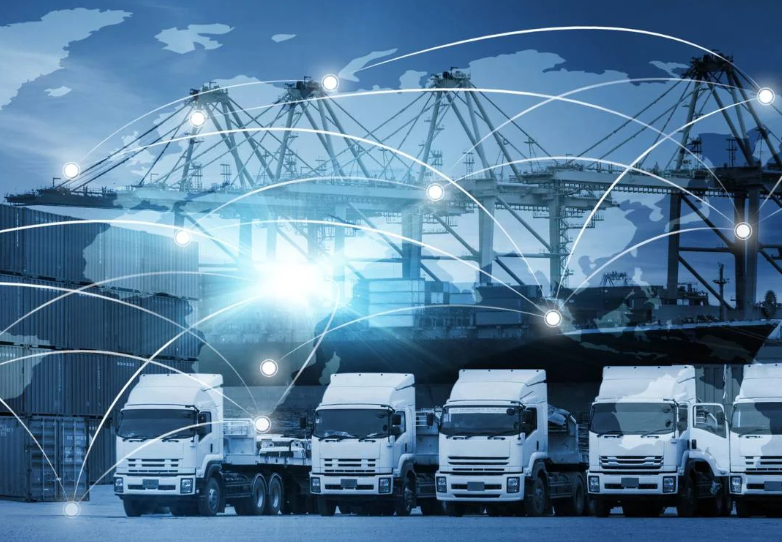
Smart transportation technology represents a significant shift in urban mobility. It integrates various innovations, such as AI-driven analytics and real-time data tracking, to enhance traffic management and public transit efficiency. Autonomous vehicles introduce advanced safety mechanisms, aiming to reduce accidents. As cities implement these solutions, the conversation shifts toward sustainable and adaptable transportation networks. Understanding the implications of these advancements will be crucial for navigating the future of urban mobility.
The Role of Artificial Intelligence in Transportation
How can artificial intelligence (AI) transform the landscape of transportation?
AI algorithms, through predictive analytics, enable real-time traffic management and route optimization. These technologies analyze vast datasets to forecast congestion patterns and streamline logistics, enhancing efficiency and reducing emissions.
See also: Smart Governance Through Technology
Enhancing Public Transit With Smart Technologies
As cities strive to meet the demands of growing populations and urbanization, enhancing public transit with smart technologies emerges as a critical solution.
Smart ticketing systems streamline fare management, reducing delays and improving user experience. Additionally, real-time tracking applications provide passengers with accurate arrival information, fostering a sense of reliability and autonomy.
Together, these innovations create a more efficient and user-friendly public transit environment.
The Impact of Autonomous Vehicles on Urban Mobility
The integration of autonomous vehicles (AVs) into urban mobility systems represents a transformative shift in the way cities configure transportation networks.
Enhanced vehicle safety features, driven by advanced algorithms and sensors, promise to reduce accidents significantly.
Furthermore, AVs necessitate a reevaluation of urban infrastructure, as cities adapt to accommodate these technologies, potentially improving traffic flow, reducing congestion, and reshaping public transit dynamics.
Future Trends in Smart Transportation Systems
What innovations lie ahead for smart transportation systems as technology continues to evolve?
Future trends indicate a shift towards sustainable mobility, integrating smart infrastructure that enhances efficiency and reduces environmental impact.
Emerging technologies, such as AI and IoT, will facilitate real-time data analytics, optimizing traffic flow and resource allocation.
These advancements promise to create more adaptable, user-centric transportation networks, championing freedom of movement for all.
Conclusion
In conclusion, smart transportation technology is reshaping urban mobility by integrating advanced innovations that enhance efficiency and safety. Notably, studies indicate that cities employing AI-driven traffic management systems can reduce congestion by up to 30%. This significant statistic underscores the transformative potential of these technologies. As autonomous vehicles and real-time data tracking become increasingly prevalent, the future of urban transportation promises to be more sustainable and adaptable, meeting the evolving demands of urban populations.