Streaming technology has transformed how individuals consume media and access information. By enabling real-time transmission of audio and video, it has reshaped entertainment and education alike. This paradigm shift relies on sophisticated data compression and progressive protocols. As streaming continues to evolve, understanding its mechanics and implications becomes essential. What lies ahead for this dynamic medium? The answers may redefine the very fabric of content delivery.
What Is Streaming Technology?
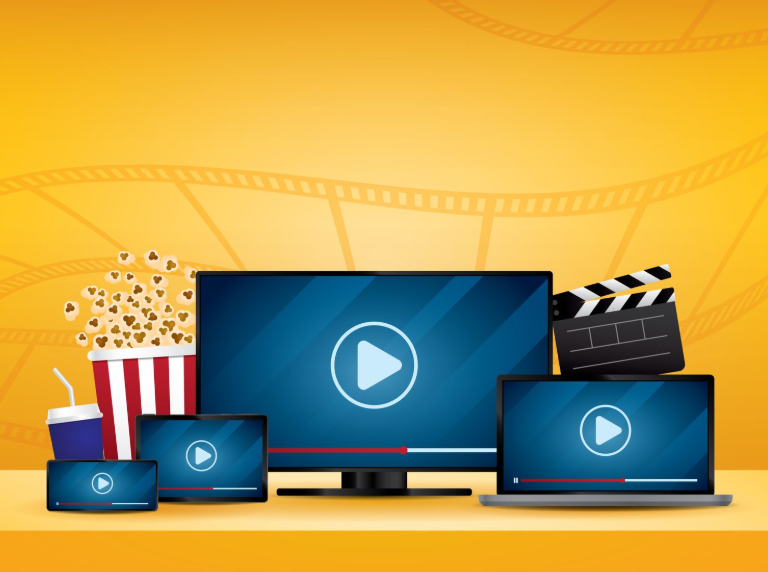
Streaming technology refers to the continuous transmission of audio, video, or data over the internet, enabling users to access content in real-time without the need for downloading files.
This innovative approach facilitates live broadcasting and seamless media delivery, allowing individuals to enjoy their favorite shows, music, and events from anywhere.
The freedom to connect instantly enhances the overall user experience in today’s digital landscape.
See also: Smart Transportation Technology
How Streaming Works
At its core, streaming technology relies on a combination of data compression and progressive transmission protocols to deliver content efficiently.
Video compression reduces file sizes, enabling quicker downloads and smoother playback. This technology is crucial for live broadcasting, allowing real-time transmission of events to global audiences.
Applications of Streaming Technology
While many people associate streaming technology primarily with entertainment, its applications extend far beyond just video and music consumption.
It plays a crucial role in broadcasting live events, allowing audiences to participate in real-time, regardless of location.
Additionally, streaming facilitates access to educational content, enabling learners to engage with materials and instructors from anywhere, fostering a more inclusive and flexible learning environment.
The Future of Streaming
How will the evolution of technology shape the future of streaming?
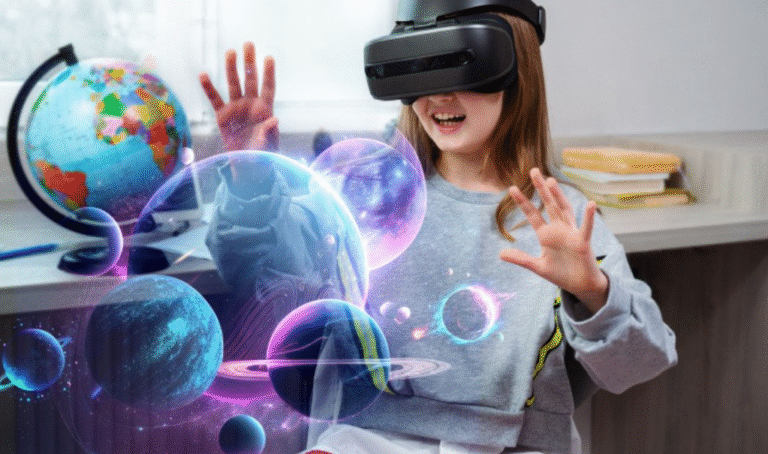
As advancements unfold, streaming is set to embrace virtual reality, offering users immersive experiences that transcend traditional viewing.
This transformation will empower audiences, granting them the freedom to engage with content in unprecedented ways.
Enhanced interactivity and personalization will further redefine entertainment, making streaming an integral part of daily life.
Conclusion
In summary, streaming technology serves as a modern conduit for instantaneous access to a vast array of audio and visual content, transforming how individuals engage with information. As this digital lifeline continues to evolve, it quietly ushers in an era of unprecedented connectivity and learning opportunities. While challenges may lie ahead, the promise of streaming remains a beacon of innovation, illuminating pathways for entertainment and education alike, fostering a richer tapestry of shared experiences across the globe.